Dental Implants Cape Town for Personalized Treatment Options
Dental Implants Cape Town for Personalized Treatment Options
Blog Article
Browse Our Implant Procedures Services: Revive Your Look With Confidence
Dental implants have emerged as a reliable fix for those seeking to restore lost teeth. This innovative approach integrates surgical precision with bespoke fabrication to deliver a natural appearance. Ideal candidates often demonstrate significant improvements in both operational capability and confidence. Understanding the procedure and its strengths is paramount for sound decision-making. As individuals reflect on their alternatives, the ensuing steps in the experience may reveal even more persuasive arguments to contemplate this transformative offering.

How Do Tooth Implants Operate and What Are They?
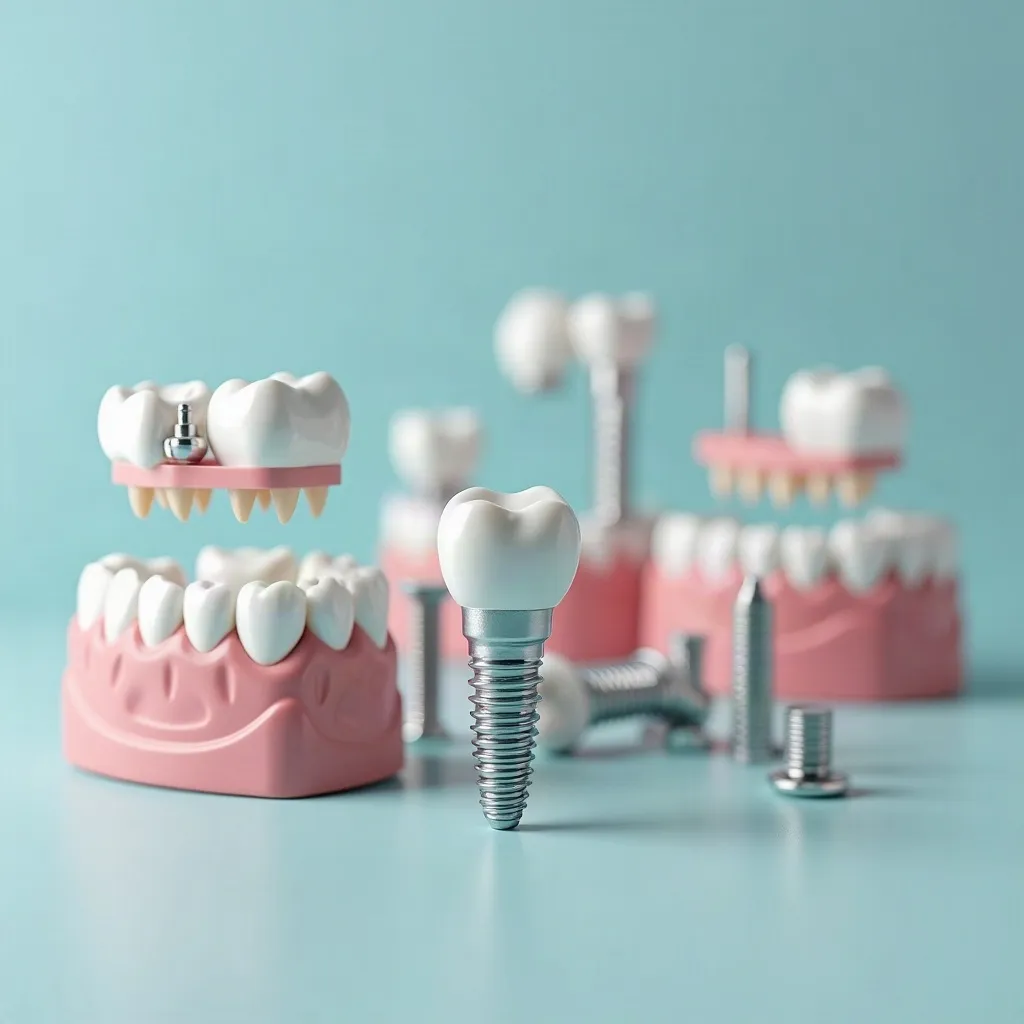
Dental implants are advanced dental devices created to replace missing teeth. They consist of three main components: a titanium post, an abutment, and a crown. The titanium post is surgically implanted into the jawbone, serving as a stable root for the artificial tooth. Over time, this post fuses with the bone through a process called osseointegration, ensuring a strong foundation.
After the post has integrated successfully, an connector is positioned, which connects the post to the artificial tooth, known as the crown. This crown is custom-made to replicate the shape, size, and color of the patient's original teeth, creating a seamless look. Dental implants not only improve appearance but also return function, allowing patients to chew and speak comfortably. With appropriate maintenance, dental implants can last many years, making them a reliable solution for tooth replacement., which attaches the post to the artificial tooth, referred to as the crown. This crown is Following the post has established successfully, an connector is placed, which binds the post to the prosthetic tooth, recognized as the crown. This crown is personally crafted to match the shape, size, and color of the patient's sound teeth, When the post has achieved successful integration, an abutment is affixed, which connects the post to the artificial tooth, known as the crown. This crown is specifically designed to duplicate the shape, size, and color of the patient's natural teeth, creating a seamless appearance. Dental implants not only optimize appearance but also reinstate function, allowing patients to chew and speak comfortably. With appropriate care, dental implants can endure for many years, making them a reliable solution for tooth replacement.
Who Should Look Into Dental Implants?
Individuals lacking one or more teeth might discover dental implants to be a feasible option for improving their smile and function. Those pursuing long-term solutions to tooth loss, as well as those dealing with discomfort with dentures, should consider this treatment. Dental implants offer a durable alternative that can improve both aesthetics and oral health.
Without One Or More Teeth
Many people face the deprivation of one or more teeth due to various reasons, such as trauma, deterioration, or gum disease. This dental issue can significantly affect an person's confidence and overall standard of living. Those missing teeth may find it difficult to eat certain foods, speak clearly, or smile confidently. Dental implants offer a dependable solution for those looking to restore their smile and functionality. Ideal candidates for implants include adults who have healthy gums and sufficient bone density to support the implants. Additionally, individuals must be dedicated to maintaining good oral hygiene. Consulting with a dental professional can help assess suitability, ensuring that patients receive personalized care tailored to their specific needs and circumstances.
Wanting extended remedies
For those seeking a permanent fix to tooth loss, dental implants present a reliable option. Individuals who have lost one or more teeth due to trauma, decay, or periodontal disease may benefit greatly from this treatment. Dental implants are particularly appropriate for patients with sufficient jawbone thickness, as the implants require a solid base for support. Additionally, those who value appearance and performance in their dental reconstruction will find implants to be an attractive choice. Unlike dentures, which may require regular modifications, implants are designed to be a permanent solution, improving both confidence and quality of life. Ultimately, anyone seeking a durable and natural-looking restoration should consider dental implants as a viable option.
Experiencing Dental plate Unease
Denture discomfort impacts a considerable number of wearers, prompting a reconsideration of their oral options. Many individuals find traditional dentures uncomfortable, contributing to problems such as inflammation, difficulty chewing, and a lack of self-assurance in social situations. For these patients, dental implants offer a practical alternative. Unlike dentures, implants deliver stability and a natural feel, eliminating the slipping and soreness often associated with removable prosthetics. Candidates for dental implants typically include those suffering from persistent pain from dentures, as well as individuals with sufficient jawbone density. By opting for dental implants, wearers can enjoy enhanced functionality and aesthetics, ultimately reviving their smile and confidence. This change can greatly improve overall well-being for those struggling with denture-related challenges.
What You Should Understand About the Implant Tooth Procedure?
Being aware of what to anticipate from the dental implant procedure can diminish anxiety and set realistic expectations for individuals. Initially, a detailed evaluation is performed, including imaging and assessments of oral health. This allows determine the feasibility of implants for the individual.
The process typically includes multiple phases, starting with the surgical placement of the titanium implant into the jawbone. This functions as a root for the man-made tooth. After placement, a rest period develops, commonly lasting a few months, facilitating bone integration to occur.
Once healed, an connector is attached to the implant, then the positioning of a personalized crown that matches the patient's existing dentition. Throughout the procedure, discomfort control options are discussed to guarantee comfort. Regular follow-ups are essential to monitor recovery and address any concerns, offering a pathway toward a rejuvenated appearance with enhanced self-assurance.
Maintaining Your Dental Implants: Top Practices
While dental implants offer a long-lasting option for tooth restoration, proper care is essential to ensure their functionality and durability. Regular oral hygiene practices are vital; cleaning your teeth twice per day and flossing can help avoid plaque accumulation around the implants. Patients should use a soft-bristled toothbrush and gentle toothpaste to avoid damaging the adjacent gums.
Consistent teeth cleanings and evaluations are also crucial, as dental experts can observe the wellbeing of the implants and nearby teeth. Also, limiting hard or sticky foods can prevent undue stress on the implants and sustain their strength.
For those who use tobacco, quitting is highly recommended, as smoking can impede healing and raise the likelihood of implant failure. Maintaining a balanced diet rich in vitamins and minerals supports overall oral health, further improving the longevity of dental implants. By following these best practices, individuals can enjoy their restored smiles for many years.
The Advantages of Selecting Dental Implants for Your Smile
Going with implant solutions can greatly enhance a person's smile, as they provide a durable and aesthetically pleasing remedy for gaps in teeth. Unlike removable dentures, implants fuse with the jaw, offering steadiness and a natural appearance. This integration helps to maintain skeletal density, preventing the face from sagging over time.
Also, dental implants involve no extra maintenance beyond typical dental hygiene habits, making them a user-friendly choice. Patients often experience better speech performance, as implants alleviate the worry of slipping that can occur with dentures.
Furthermore, they provide a long-lasting solution, with many implants remaining a lifetime when properly maintained. The confidence gained from having a complete smile can substantially enhance self-esteem and foster social interactions. Overall, dental implants not only restore functionality but also enhance the quality of life for individuals seeking a permanent solution to tooth loss.
Why Trust Us for Your Dental Implant Services?
For those seeking implant dental solutions, patients can trust that technical skill and tailored attention are key to their experience. The clinic shows learn the details its dedication by engaging skilled professionals who excel in implant dentistry, ensuring that each patient gets customized treatment plans that fulfill their particular needs. Modern technology and sophisticated techniques are utilized to enhance accuracy and ease during the procedure, minimizing recovery time and maximizing results.
Moreover, a commitment to patient education means that people are knowledgeable throughout their experience, fostering a sense of confidence and security. The team also emphasizes a welcoming atmosphere, where clients feel appreciated and supported. With a track record of successful outcomes and happy patients, the clinic distinguishes itself as a trustworthy choice for those seeking to improve their teeth. Ultimately, selecting this clinic means selecting excellent service and enduring outcomes for dental implant procedures.
Common Questions Asked Often
How extended Do Dental Implants Typically Last?
Dental implants generally endure between 10 to 30 years, depending on factors such as oral hygiene, lifestyle, and bone health. Routine dental check-ups can help guarantee their durability and overall effectiveness in restoring functionality.
Do Dental Implants have insurance Coverage?
Dental implants may be partially reimbursed by insurance, in accordance with the policy. Many insurance options incorporate coverage provisions for surgical procedures or restoration, but reimbursement rates differ widely. Applicants should inquire with their insurance provider for specific details with respect to their coverage plan.
What Hazards Come With Dental Implants?
Dental implants bring potential hazards such as infection, nerve damage, implant breakdown, and complications related to anesthesia. Additionally, improper placement can create issues like bone diminishment or gum recession, emphasizing the critical nature of experienced dental professionals.
Will I Be Able To Eat As Usual Following Dental Implant Installation?
After receiving dental implants, individuals can generally return to eating normally within a few weeks. Initially, gentle foods are recommended to aid recovery, but most people return to their normal eating habits as comfort allows.
How Can I Assess if I'm a Qualified Applicant?
A suitable prospect for dental implants typically possesses healthy gums, sufficient jawbone structure, and a commitment to dental care. Consulting with a dentist can provide a comprehensive evaluation to determine personal eligibility for the treatment.
Report this page